

Chinese archaeologists have discovered traces of a Qin dynasty complex, around 2,200 years old, at the Huangtuliang site. Researchers believe it may have been a road palace on the imperial road that crossed the desert terrain.
As Arkeonews reports, the settlement was previously attributed to the Han dynasty era, but new evidence points to the period of China's first unified empire. Huangtuliang lies on the south-eastern edge of the Mu Us Desert, where fields border sand dunes.
The central part of the complex covers about 10,000 square metres, while fragments of structures are scattered over an area of approximately 150,000 square metres.
On the surface, archaeologists found roof tiles, decorative bricks and three stone column bases. Roof elements bearing images of mythical creatures attracted particular attention. Similar details are known from imperial palaces and the tomb of China's first emperor, Qin Shi Huang.
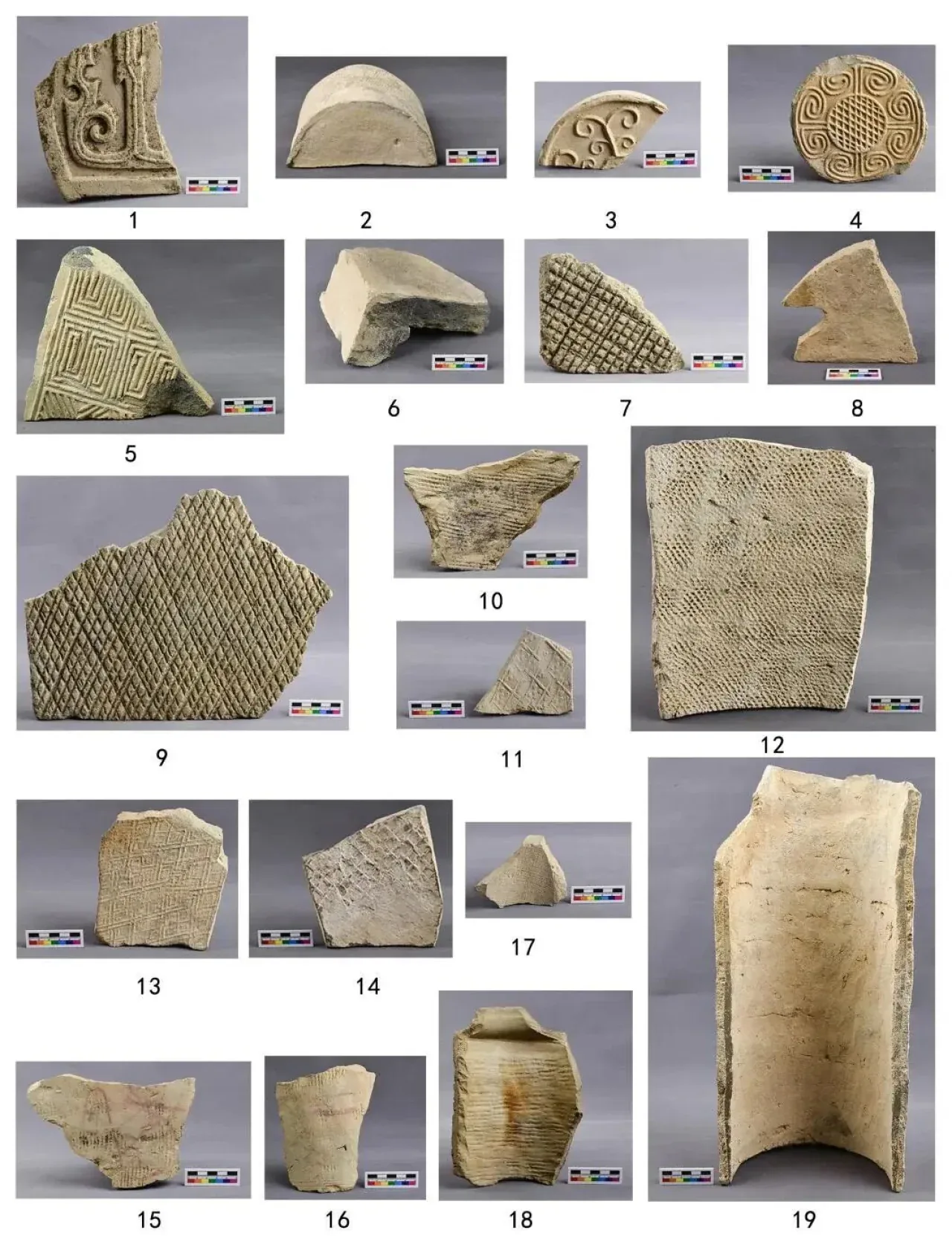
Traces of rammed-earth platforms were also found beneath the sand. Wells and ceramic water pipes had previously been discovered at the site. According to the Shaanxi Provincial Cultural Heritage Administration, the nature of the finds distinguishes Huangtuliang from an ordinary settlement or military outpost.
Around 212 BC, Qin Shi Huang began construction of the Qinzhidao, or Straight Road, which was intended to link the northern frontiers with the imperial centre. The work was overseen by General Meng Tian. The exact route of the road through the Mu Us sands remains a subject of debate to this day.
Some 7.5 km south-west of Huangtuliang, archaeologists discovered intermittent traces of rammed earth extending for about 800 m. They may be part of the Qinzhidao, but this has not yet been confirmed.
Researchers estimate that the palace may have been built in the final years of Qin Shi Huang's reign or shortly before the fall of the dynasty in 206 BC. There is as yet no evidence that the emperor himself visited the site. A significant part of the complex is still hidden beneath the sand and awaits further study.


