

Turkish archaeologists have uncovered new details about the layout of an ancient underground system beneath Hagia Sophia (the Cathedral of Saint Sophia) in Istanbul. During large-scale works that began in February 2025, about 3000 tonnes of mud and debris were removed from the underground chambers, allowing researchers to reach previously inaccessible parts of the complex.
The scientists described the new discoveries in the journal Open Archaeology.
The present Hagia Sophia building was constructed in 532–537 under the Byzantine Emperor Justinian I. However, elements of earlier urban infrastructure around 1600 years old have survived beneath the structure.
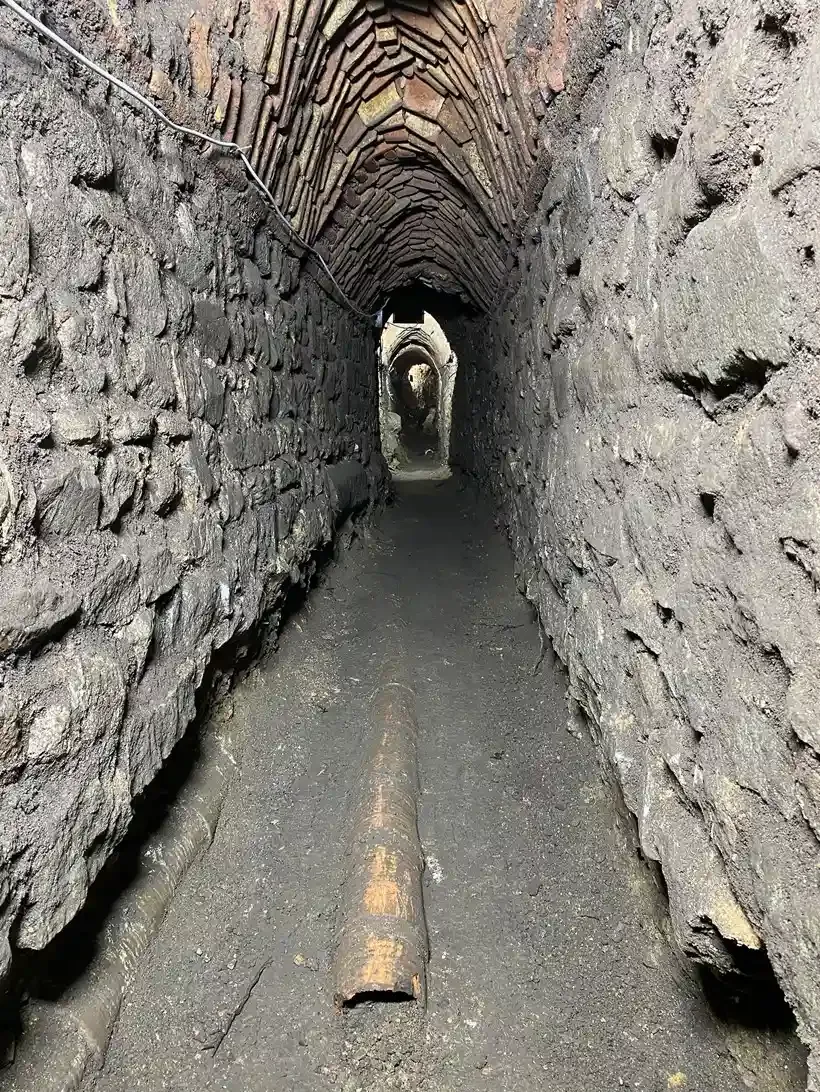
According to the archaeologists, some of the underground passages were used to distribute water and to drain rainwater to the sea. The system has a complex layout and consists of many interconnected sections, but the purpose of some of the chambers remains unknown.
During the current research, specialists cleared about 170 m of an underground structure linked to a presumed 5th-century Roman street. They also continued studying a burial complex discovered back in 1946. The upper and lower chambers were cleared of deposits, after which the researchers dug down a further one and a half metres.
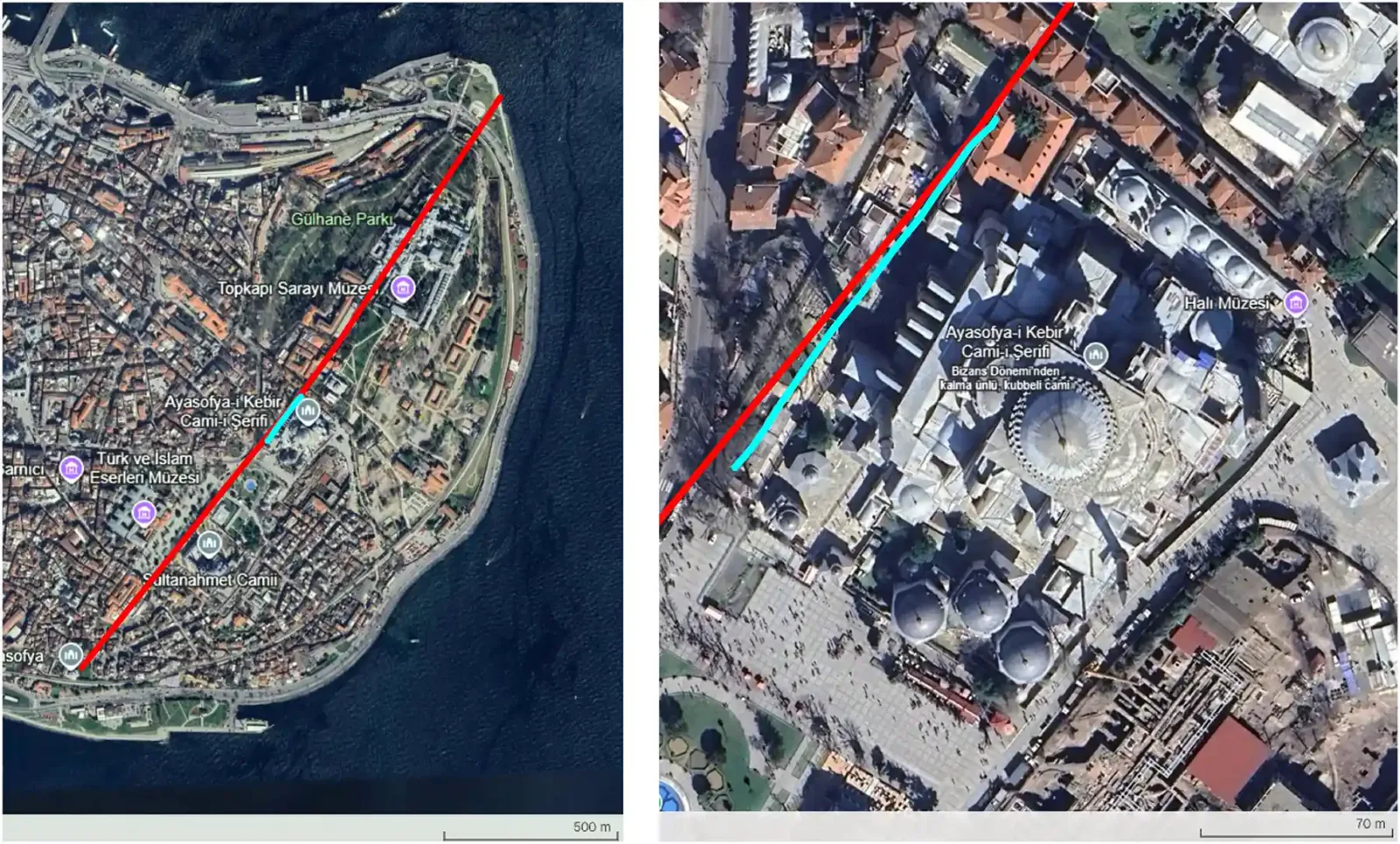
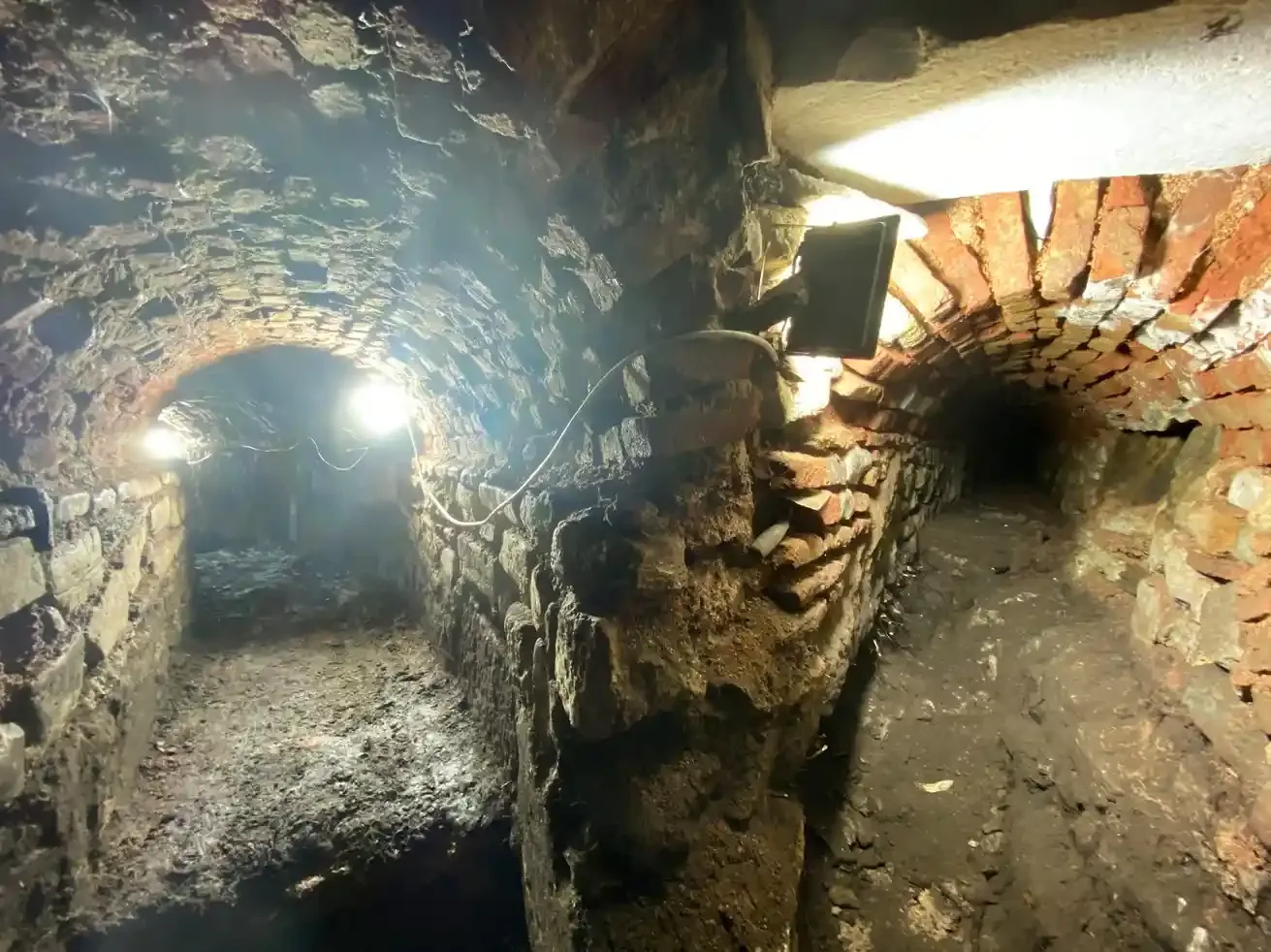
Of particular interest were the branching passages, some of which were presumably connected at a later date. In one of the tunnels, about eight rectangular niches and unusual vaults were found. There were no ceramic pipes on the floor, however, so the scientists believe this chamber may have been used not for supplying water but for other purposes.
In another structure, seven water supply lines from different eras have survived. Among them were ceramic pipes as well as later cast-iron structures from the 19th–20th centuries. Two of the lines were connected to reservoirs, indicating that the underground infrastructure was rebuilt on several occasions.
The research provides a better understanding of the history of the site, where three churches stood in succession before the present building. The first was destroyed by fire in 404, and the second burned down during the Nika riots in 532. Archaeologists estimate that the foundation of the earliest church lies about 2.3 m below the level of the present building.
In future, some sections of the underground complex are planned to be opened to visitors. First, however, archaeologists will have to complete their research and ensure the safety of the ancient structures.


