

Researchers from the University of Cincinnati in the USA have found that a parrot's return to its flock after a separation can be accompanied by a surge of aggression from its flockmates. The experiments were conducted with captive monk parakeets (Myiopsitta monachus).
The results have been published in the journal PLOS Computational Biology.
The scientists temporarily removed individual birds occupying different positions in the social hierarchy from their groups and then returned them. The researchers wanted to find out how changes in the composition of a flock affect relations between its members.
It turned out that after one of the birds left, the others began to show aggression more often towards flockmates ranked below them in the so-called "pecking order". But the most unexpected reaction came after the absent bird returned: the group often began to attack that very bird.
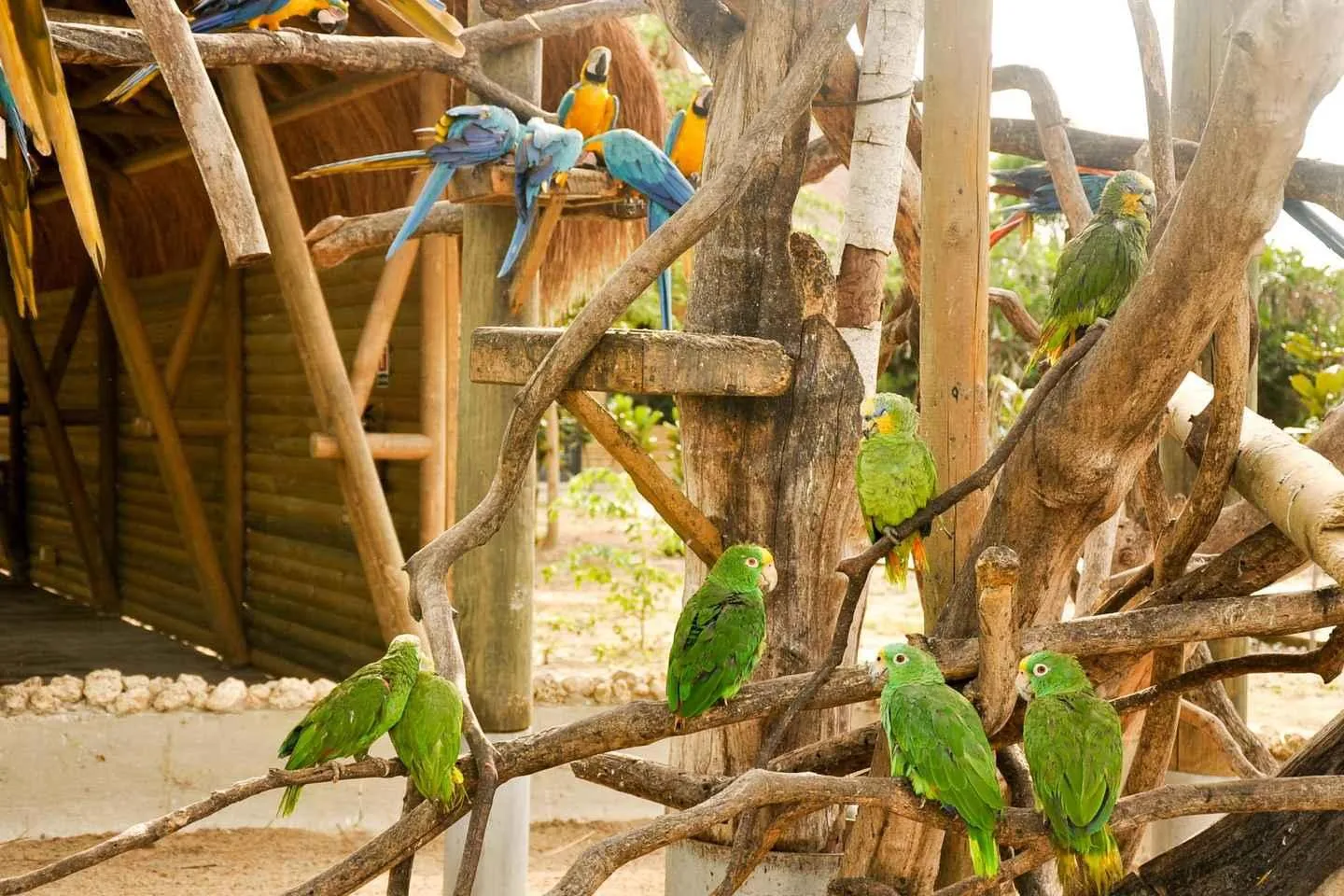
The researchers suggest that during the bird's absence the other parrots managed to move into higher positions and did not want to lose them. The flock was particularly aggressive towards birds that had previously occupied the top rungs of the hierarchy.
"If a high-ranking bird leaves the flock, the others reshuffle their ranks. When it returns, the group starts to show aggression towards it, possibly because the birds do not want to lose their new, higher positions," explained the study's lead author, Annemarie van der Marel.
According to her, it is still unclear exactly what advantages high social status gives the parrots. However, the experiments showed how important a place it occupies in the lives of these birds.
At the same time, the clashes are usually limited to relatively harmless scuffles and rarely result in injuries. In the wild, monk parakeets live in large groups and build communal nests out of twigs. They are native to South America but have over time spread to other regions of the world.


