

Fragments of wood and charcoal around 4,300 years old have been discovered in Turkey in an area where the search for the presumed site of Noah's Ark is under way. Radiocarbon analysis in the USA showed that the samples date from 2200–2400 BC, reports Haberler.
Around 20 specialists from five countries – archaeologists, geologists and geophysicists – took part in the research in Ağrı province. The collected samples were sent for radiocarbon analysis to three independent centres in the USA, Switzerland and Turkey. The results of the American examination were the first to be received.
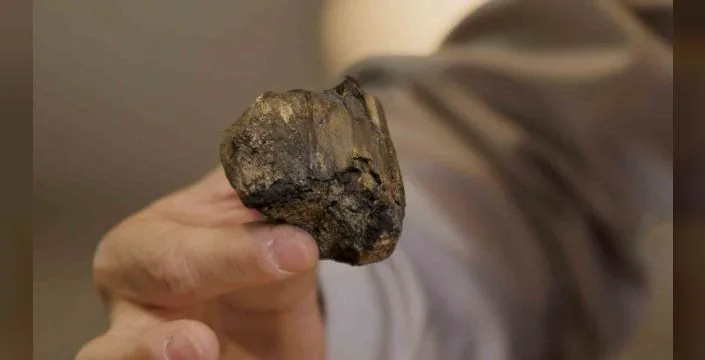
Cenker Atila, a professor in the Department of Archaeology at Sivas Cumhuriyet University, says that the sacred texts indicate that the Great Flood occurred around 2300 BC. The age of the wood discovered coincides with the presumed period.
However, the scientists have not yet established a link between the finds and Noah's Ark. They will share their final conclusions after receiving the results of additional studies from Switzerland and Turkey.
According to the Bible, Noah's Ark was the vessel on which the righteous Noah saved his family and animals from the Great Flood. After the waters receded, the vessel came to rest on «the mountains of Ararat». In Turkey there is a hill of distinctive shape where traces of the ark have been sought for many years, although some scientists consider it an ordinary natural formation.


